
Safeguarding you or an elderly loved one against slip & fall accidents should be on your list when trying to help a senior age in place. After all, without preventing falls your independence may be at risk. While many people think it won’t happen to them, they’ll just “be careful,” think about this: More than 1 in 3 seniors age 65 or older fall each year, reports the National Institute on Aging. Your risk of falling increases as you age.
There are many reasons why a slip & fall can occur such as health conditions, medications and environmental hazards. All of these accident causes can lead to lengthy hospitalization, permanent disabilities or even death. Here are some precautions you can take to help prevent falls.
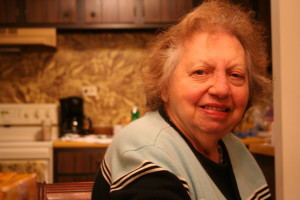
Slip & fall : Your environment
- Remove all clutter from the floor including shoes, magazines, baskets, rugs, plants, coffee tables, pet toys, electrical cords, wastebaskets and other items that are easy to trip over. Non-skid rugs should be left at entrances in order to absorb any liquid dragged in from outside.
- Make sure the spaces around your furniture are large enough to easily navigate through particularly if you use a cane or walker.
- Use assistive devices when you can such as grab bars and non-slip surfaces in bathtubs and showers. You also can add grab bars by the toilet.
- Use a sturdy bench in the shower.
- Check all lighting and install more if necessary. Good lighting in hallways, bathrooms, kitchens, garages, entrances, sidewalks and driveways and on stairs will illuminate walkways making it easier to see even when eyesight is not as good as it used to be. Use extra lamps and nightlights and make sure flashlights are easily accessible.
- Make sure floors are clear not just of clutter but rugs, loose carpets and floor boards and any other items that can be tripped over easily by the elderly.
- Do not store heavy items on high shelves. Make sure any heavy items are stored in lower cabinets and on closet floors. Also, be sure that items are in reach without the need of a stool or ladder.
- Remove all snow, leaves, ice, branches, welcome mats and potted plants. Also, be sure that borders around gardens are easily seen and not sticking up or easy to trip on.
- Use raised toilet seats.
- Furniture such as chairs, couches and beds may be too high or too low. Adjust the height of furniture according to the senior’s needs.
- Install a second railing on stairs. Use safety treads on the steps. You also can mark the edge of steps with bright colored paint or illuminating tape.
- Clean up all spills right away.
- Keep drawers, cabinets and closet doors closed.
- Install motion lights throughout the house or make sure you always turn lights on as you enter a room.
- If there are pets in the home, try brightly colored collars to more easily see the pets and avoid tripping over them.
Health tips for fall prevention
- Muscle weakness is a common reason for falls in the elderly. Use strength building exercises to improve leg strength and help prevent falling. Exercises such as swimming, walking, Tai Chi and dancing also will improve balance and coordination. Always speak with your doctor before beginning any exercise program.
- Impaired vision can cause slip & fall accidents, so be sure to get your vision checked annually and wear your glasses if you require them. Poor depth perception, cataracts and glaucoma all can cause slips & falls.
- Always use a cane or walker if recommended by your physician.
- Stand up slowly to prevent dizziness, light headedness or weakness.
- Have your hearing checked regularly. Hearing loss and hearing conditions can cause balance problems.
- Address any leg or foot pain.
- Avoid alcohol.
Your medication
- Identify any medications that may make you drowsy or dizzy. Take extra cautionary measures when taking these.
- Identify any over-the-counter or prescriptions that can cause interactions or side effects, especially in the elderly.
- Reduce medications if possible by speaking with your doctor and regularly reviewing your prescriptions. The more you take, the more likely you are to fall.
- Discuss any concerns with your physician.
Other slip & fall prevention tips
- Wear proper fitting shoes with rubber soles. Avoid backless shoes, high heels, slippers, flip flops and even bare feet.
- Take vitamin D and calcium to maintain strength and overall health.
- Install additional phones throughout the home to avoid running for calls. You also will be able to call for help more easily if necessary.
- Call family and friends for help. Whether it’s for clearing the driveway, lifting something heavy or washing the floors, don’t be afraid to call for assistance.
- Hire some help. Health and personal care services are available through senior care service providers.
Always speak with an occupational therapist or your physician to determine your fall risk as well as for ideas on how you can be safe and independent for longer.
Sources
National Institutes of Health
Centers for Disease Control and Prevention. “Falls Among Older Adults: An Overview.”
Webmd.com. “Preventing slips and falls.”
photo credit : partie traumatic

As a certified Senior Fitness Instructor, I have served the mature adult population for the past 13 years promoting active aging. My business, Seniors ‘N Sync, LLC provides safe, quality fitness programming for numerous older adult venues including senior living communities (IL, AL, Memory Care), hospital programs, community centers, support groups etc. My personal goal and passion is to improve the quality of life for older adults regardless of physical or cognitive challenges through fitness and wellness. As the Director of Fitness and Lifestyle for a large 400+ senior living community in Arlington, VA (2007-2011) I implemented many programs promoting fitness, wellness and purposeful living. Now I live in Montana and I am trying to establish active aging options through the local Parks and Rec centers with a broader goal of initiating an Age in Place program supported by the town and/or through partnerships with other local businesses that serve the mature adult market in healthcare, home care, rehab, fitness, wellness etc. Montana is on target to be the third most senior populated state (percentage to population) by 2015, and there are very few options or support systems to care for these mature adults outside of traditional healthcare and senior living communities.
As a delegate to the White House Conference on Aging (2005) with a platform in fitness and wellness and a member of the International Council on Active Aging, I want to be involved in “changing the way we age”. As an independent contractor, I am offering consulting services and licensing of my programs. Could you recommend any resources that might be interested in utilizing my expertise in an “Age in Place” environment, locally or nationally speaking? Exercise is the #1 pillar of brain health and functional fitness is crucial to remaining independent for as long as possible, yet senior living communities do not provide a fitness/ wellness budget or offer proactive approaches for health/ fitness. When will we stop being an “illness” oriented society and promote “wellness” with physical fitness as a foundation? I appreciate any and all resources you may suggest that might be interested in partnering with me to initiate this movement here in Bozeman, Montana, or across the nation.
With gratitude,
Cheryl Bartholomew
Seniors ‘N Sync, LLC